

A sensor is a device used to detect, measure, and respond to physical parameters or environmental changes by converting them into readable electrical signals.
Your Professional Sensor Supplier
Qingdao Kerun Puhui Drive Technology Co., Ltd. is a high-tech enterprise specializing in industrial drive and control technologies.
The company’s main products include frequency converters, soft starters, ozone medium-high frequency power supplies, industrial large fans, safety mats, bumpers, industrial inspection robots, servo drives, and more.
-
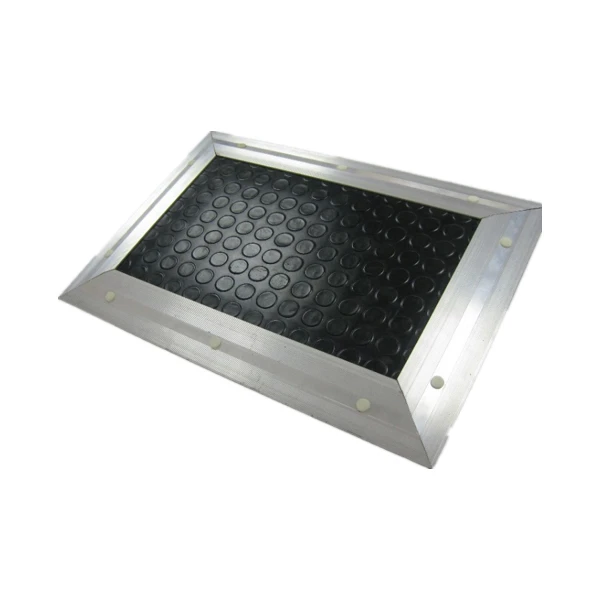
![Safety Mat Sensor]() Safety Mat SensorA safety mat sensor is a pressure-sensitive area protection safety device. It is typically made of multiple layers of durable materials and resembles a carpet or mat in appearance. It detects theread more
-
![Safety Edge Sensor]() Safety Edge SensorSafety Edge Sensor Category Sensor Model Name Safety Edge Sensor Tags Featuring high flexibility and configurabilityread more
-
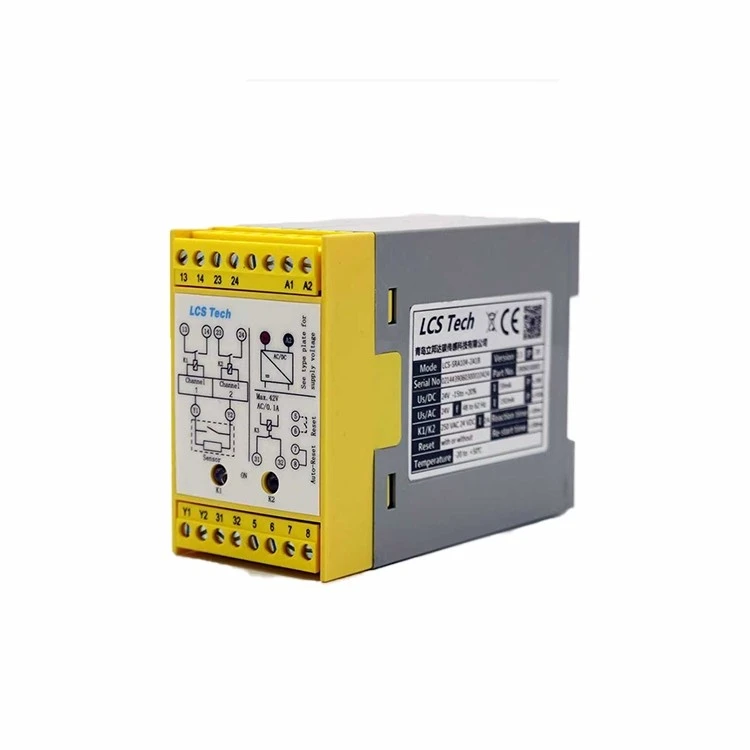
![Safety Controller]() Safety ControllerThis product is a specialized safety controller developed for industrial safety protection and intelligent control applications. It is designed to provide stable and reliable signal processing andread more


Why Choose us
Strong Certified Strength
Recognized as a high-tech enterprise and certified under ISO 9001 and ISO 14001 management systems, the company holds a robust intellectual property portfolio, including multiple invention patents and registered software copyrights.
Dedicated R&D Capability
The company maintains a seasoned research and development team with an average of over 10 years’ industry experience. It actively collaborates with leading universities and national-level research institutions to drive technological innovation and product advancement.
Wide Market Coverage
Annual unit sales exceed 50,000, reflecting broad market acceptance. The company achieves balanced geographic coverage, with well-established distribution networks across both domestic (China) and international markets.
Parameter
|
Item |
Description |
|
Working Sizes |
Standard modules (500×500mm, 1000×1000mm), spliceable for large areas |
|
Actuation Force |
25–80kg (adjustable), avoids false triggering |
|
Thickness |
8–25mm, high compressive strength |
|
Protection Rating |
IP65 / IP67, dustproof and waterproof |
|
Surface Material |
Anti-slip PVC or rubber, optional anti-static / oil / acid-alkali resistant |
|
Output Signal |
Dual-channel OSSD or relay dry contacts |
|
Operating Temperature |
-30°C to +70°C wide temperature range |
Benefits of Sensor
01
Data Processing:
Data collected by smart sensors can be processed. Smart sensors can analyze and filter data instead of simply measuring something and sending the raw data. By removing background noise and errors, for instance, the data can be sent on with the utmost precision. It improves the accuracy and usefulness of the information they provide.
02
Self-Calibration:
Smart sensors can calibrate themselves, which is an important feature. Calibration ensures an accurate measurement by adjusting the sensor. As soon as smart sensors detect out-of-synch conditions, they automatically adjust themselves. Since they do not require much maintenance over time, they remain accurate over time.
03
Communication Capabilities:
Communication is possible between smart sensors and other devices. Computers, smartphones, or control systems can receive the data processed by them wirelessly. Different systems can be monitored and controlled in real-time with this feature. If you have a smart thermostat, you can control the temperature in your home from anywhere by sending temperature data to your phone.

Application of Sensor
Agriculture Monitoring
Sensors check soil moisture, sunlight, water levels, and weather
Protect crops from pests or bad weather
Helps to save water, improve crop quality, and lower farming costs
Home Automation System
Control lights, fans, heating, and alarms automatically
Lights turn on automatically when someone enters a room
Used in security systems like doors, cameras, sound detectors, etc.
Environment Monitoring System
Measure air quality, water pollution, noise, and weather
Help Scientists and Governments track environmental changes
Plan priorly to emergencies and maintain public health
Vehicle Management
Oxygen Sensors manage fuel use
Tyre Pressure Sensors alert when tyres are low on pressure
Electric vehicles use Sensors to monitor the battery and improve safety
Server Room Monitoring
Sensors track temperature, humidity, and airflow in data centres
Alerts you if there is a problem like overheating
Help prevent system failures or hardware damage
Industrial Automation
Detect errors, count parts, and check pressure or temperature
Improve product quality and reduce downtime
Spot safety risks like gas leaks or overheating early
Time and Attendance System
Used in workplaces to record when employees arrive or leave
Make attendance tracking easy and accurate
Used in fingerprint readers, face scanners, or smart cards
How Sensors Work
Sensors work by picking up on changes in their surroundings and turning those changes into signals that people can measure. Most of the time, they work well enough to keep an eye on physical or chemical things.
The sensing element is the part that comes into direct contact with the parameter and reacts to changes in light, heat, or pressure.
Those changes are turned into electrical signals, which is a simple process that lets machines understand how things are in the real world.
Signal conditioning cleans up the raw output by amplifying weak signals, getting rid of noise, and shaping it so that it can be used. The conditioned signal goes to the output interface, which sends data to other systems.
These systems can be simple or complex, depending on how they were designed. Digital sensors give outputs that are separate from each other, while analog sensors give signals that are always changing. Active sensors make their own signals, while passive sensors rely on outside sources of energy.
Calibration keeps accuracy in check by making sure that sensor outputs match standard values. This way, the results don't drift off. Feedback systems keep things running smoothly by changing outputs so that reliability stays the same even when things change.
Flexible Global Shipping Solutions
We support multiple shipping methods including sea freight, air freight, rail transportation, and express delivery to meet different delivery timelines and project requirements. Professional packaging and export handling ensure safe and efficient transportation for international orders.
Certificate


FAQ
We are one of the most professional sensor manufacturers in China, specialized in providing high quality customized products. We warmly welcome you to buy high-grade sensor at low price from our factory. Contact us for free sample.
industrial sensors, wireless sensor, sensor used